

EMI/EMC Testing
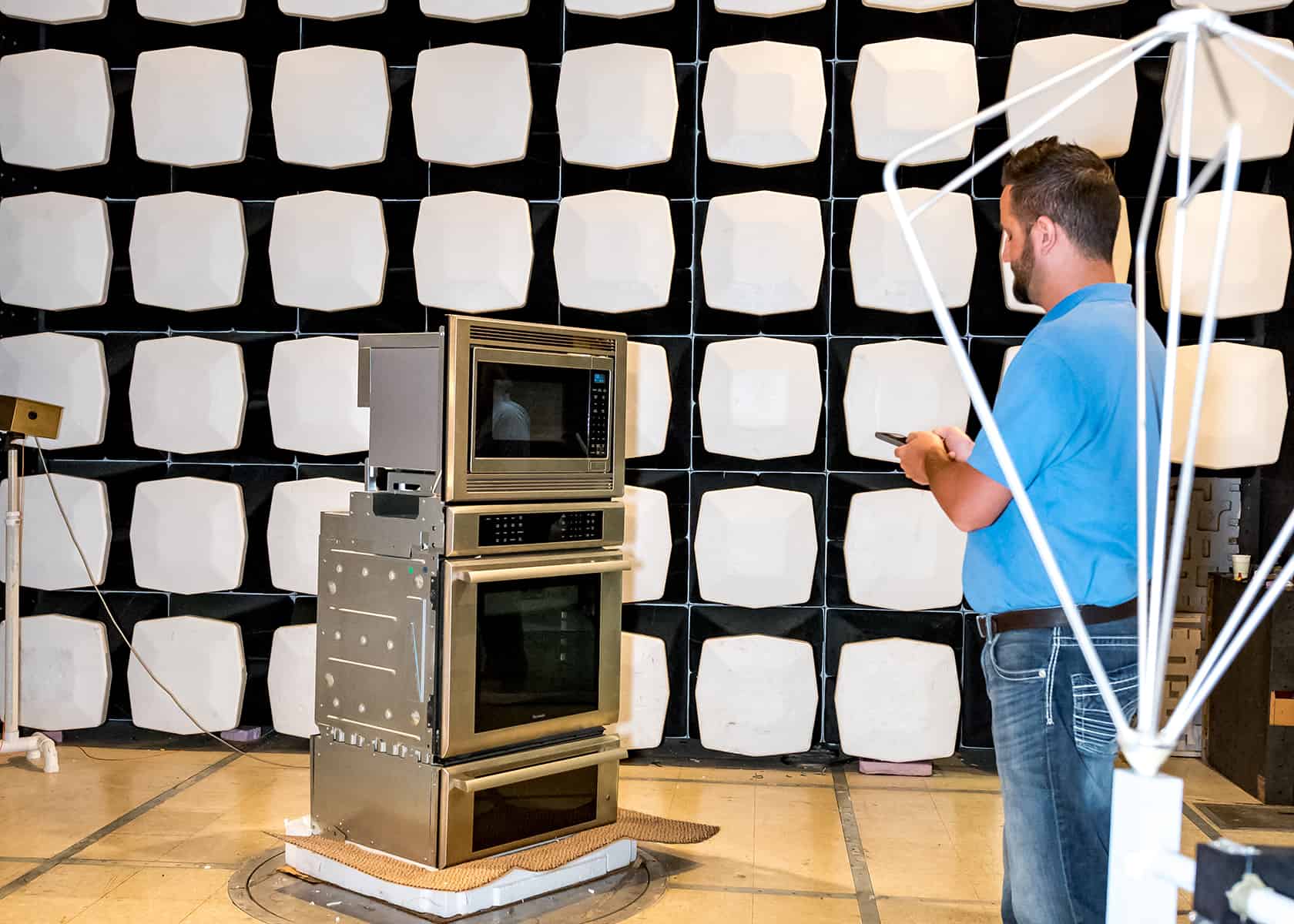
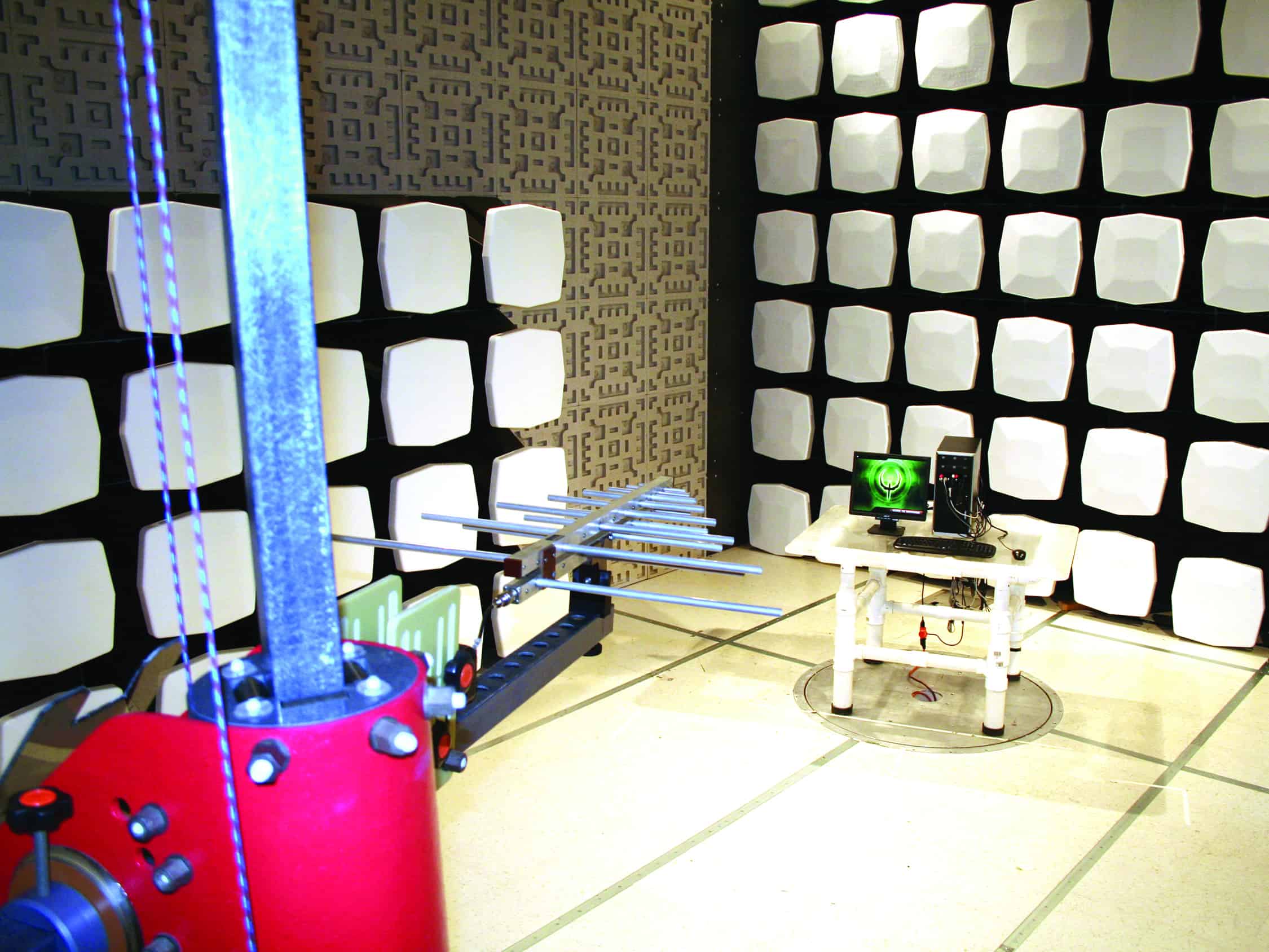
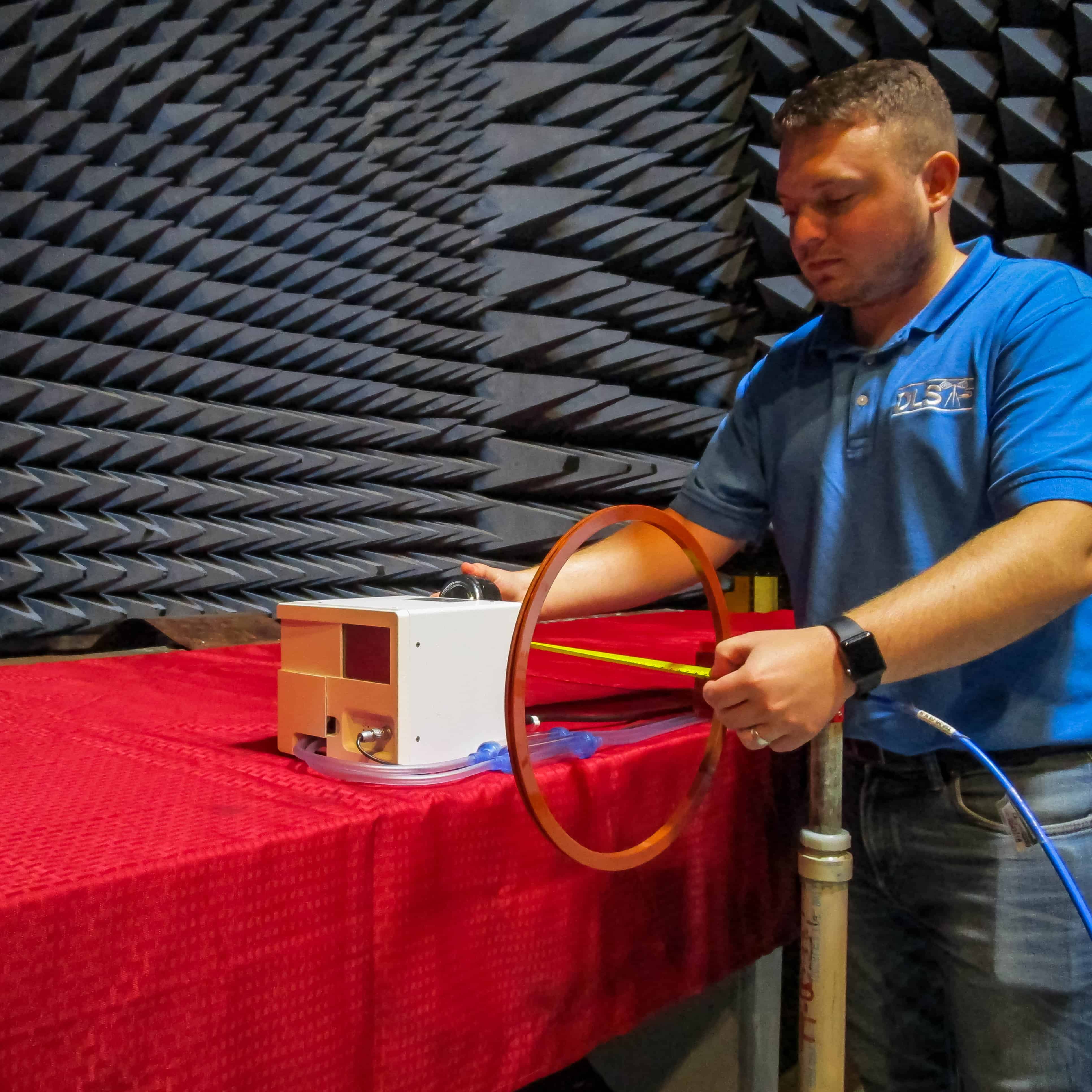
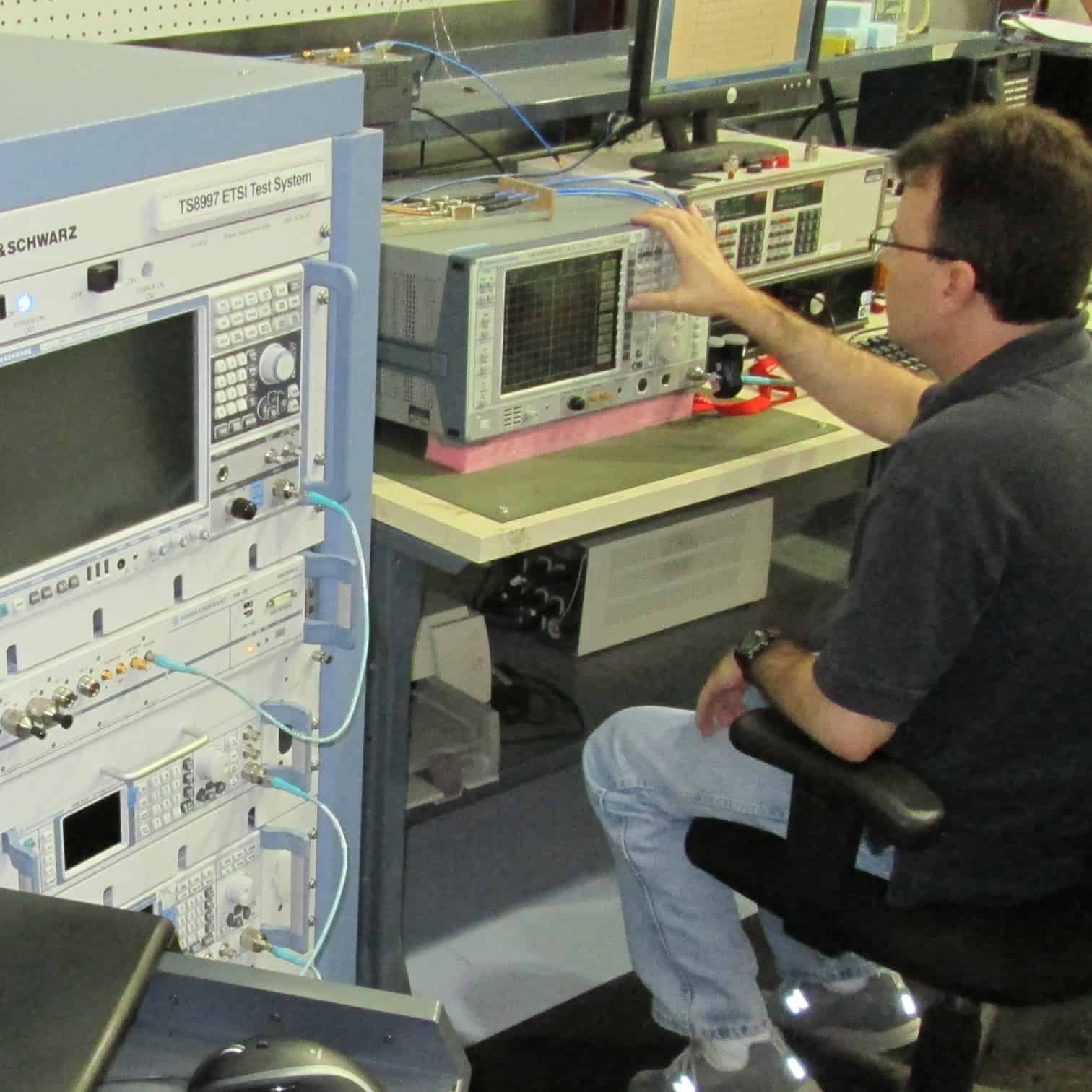
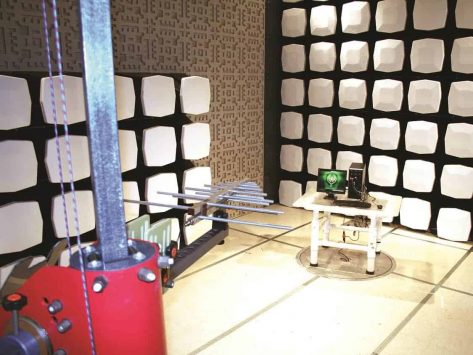
D.L.S. Electronic Systems, Inc. provides EMI/EMC Testing and consulting services to the Electronics, Medical Equipment, Automotive, Aerospace, Computer, Industrial Equipment, Laboratory Equipment, Military, Restaurant and Household Appliances, Telecommunications, and other industries. We are an ANAB accredited test facility, capable of testing electronic equipment to today's high frequency requirements. Our 16 Test chambers and 3 Open Area Test Sites can perform full scan Immunity and Emissions testing at frequencies up to 40 GHz. Please Contact Us or Request a Quote for your specific requirements.
Environmental/Climatic/Mechanical Testing
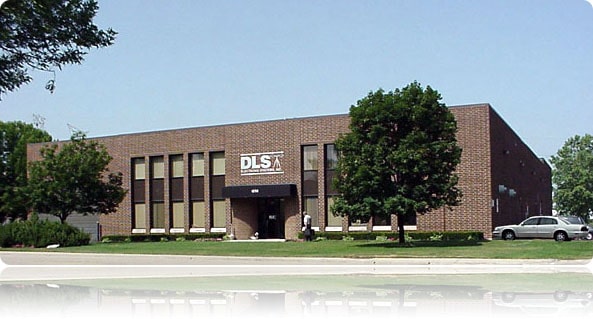
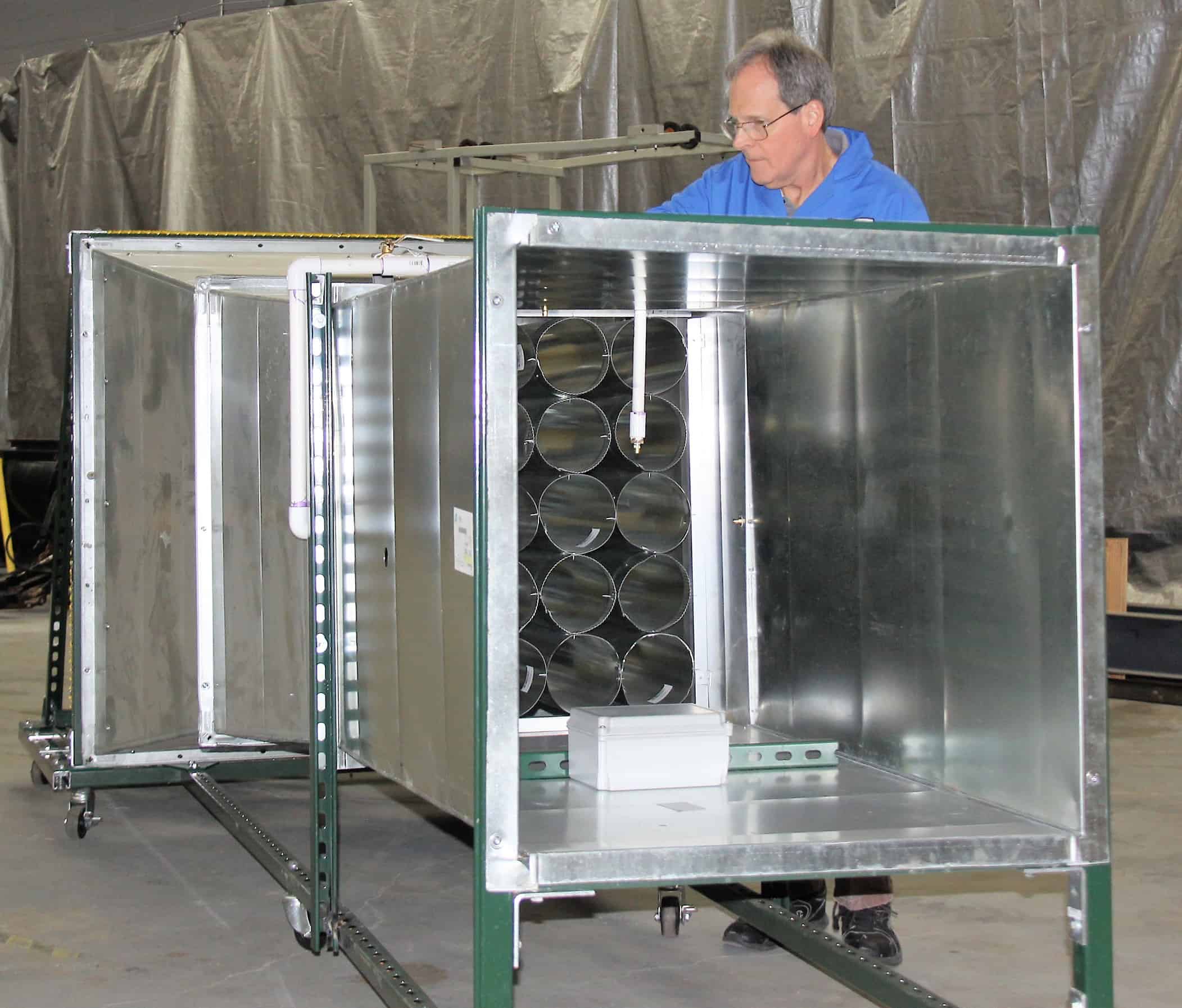
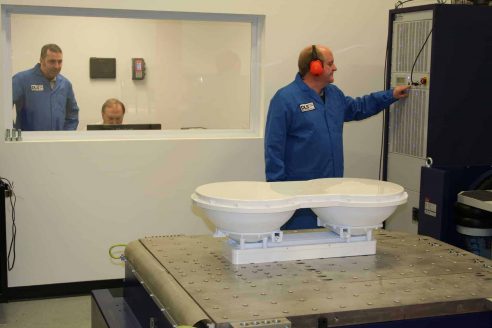
D.L.S. Wheeling, IL, East Campus provides testing services for Environmental Testing under its accredited ANSI/ANAB ISO 17025 program. This globally accepted accreditation covers environmental, climatic, and mechanical testing that includes vibration and shock, temperature extremes, sand and dust, fluid and chemical resistance, altitude, humidity, salt spray, ingress protection, icing, flammability, explosive atmosphere, and other related testing services for Military, Aviation and Avionics, Industrial, Medical/Laboratory, and Automotive markets. Please Contact Us or Request a Quote to find out how we can help you with your environmental or safety testing needs.
Product Safety Testing
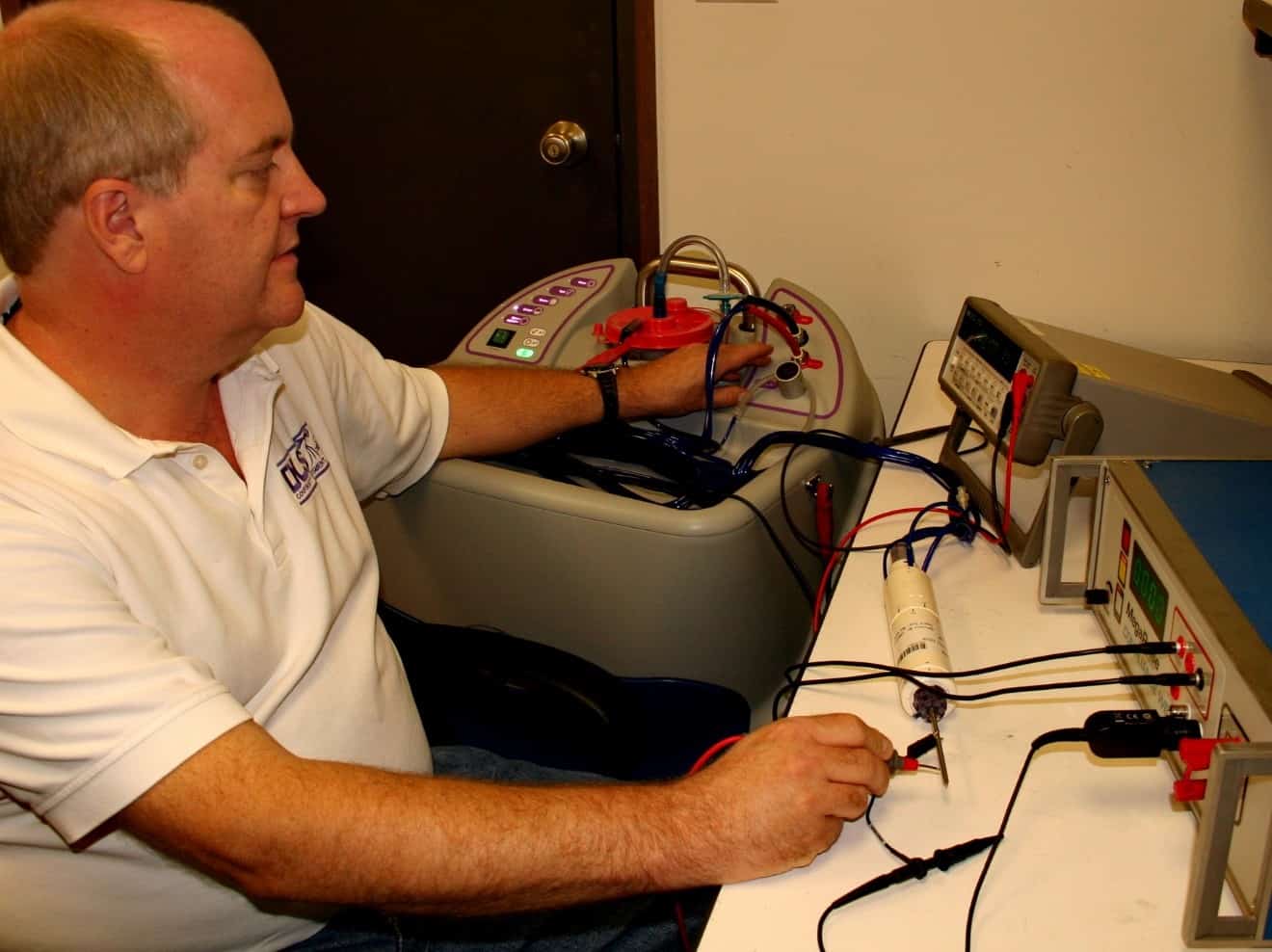
Conformity Assessment at the D.L.S. Wheeling, IL, East Campus provides Product Safety Testing and Evaluation under its accredited ANSI/ANAB ISO 17025 program. This globally accepted accreditation covers electrical and related mechanical testing that includes US, Canada with our NRTL Nemko program, Europe, United Kingdom, Australia, and other global markets. It is an accredited product safety testing and consulting organization within the D.L.S. corporate umbrella. The Conformity Assessment group offers full compliance testing services for UL, Canada, CE Mark, UKCA Mark, IEC, ISO, SAE, and other compliance requirements for ITE/Multi-Media, Household and similar appliances, Restaurant Equipment, Industrial Machinery, Medical, Laboratory-Test Measurement, and Automotive equipment. Please Contact Us or Request a Quote to find out how we can help you with your environmental or safety testing needs.
Wireless/Radio Testing
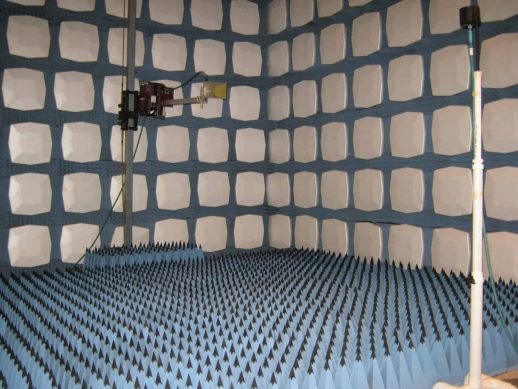
At D.L.S. Electronic Systems, Inc. in Genoa City, WI, the testing and compliance of your Wireless Device will be accomplished with accuracy, precision and efficiency. Our 35+ years of experience and knowledge with Wireless Devices, as well as our commitment to understanding the continuous evolution of technologies and regulations, will ensure every project is done right the first time. Please Contact Us or Request a Quote to get Wireless/Radio project started.
Donald L. Sweeney
Founder of D.L.S. President 1983-2021
Senior EMC Engineer
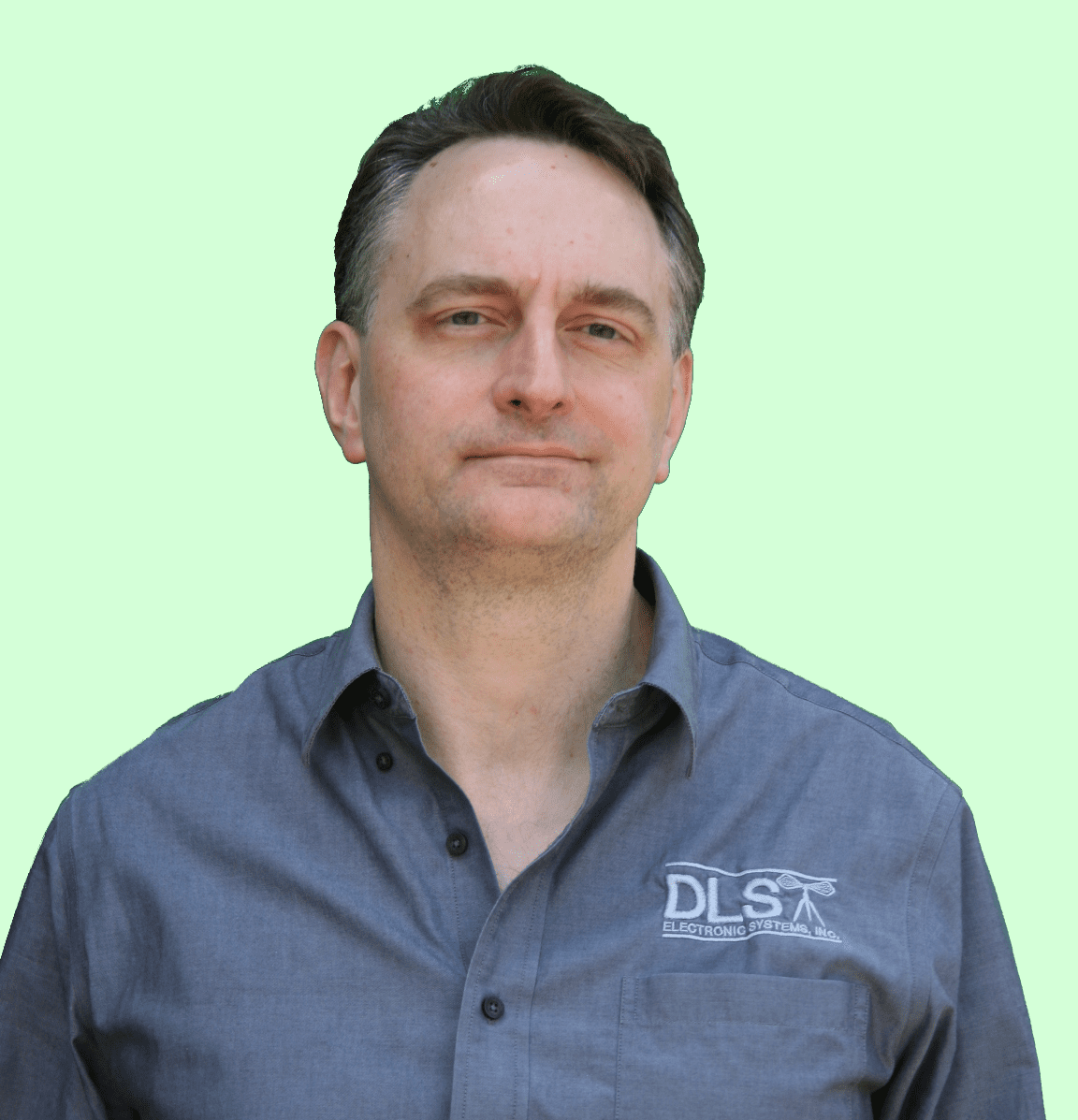
Corey Sweeney
President
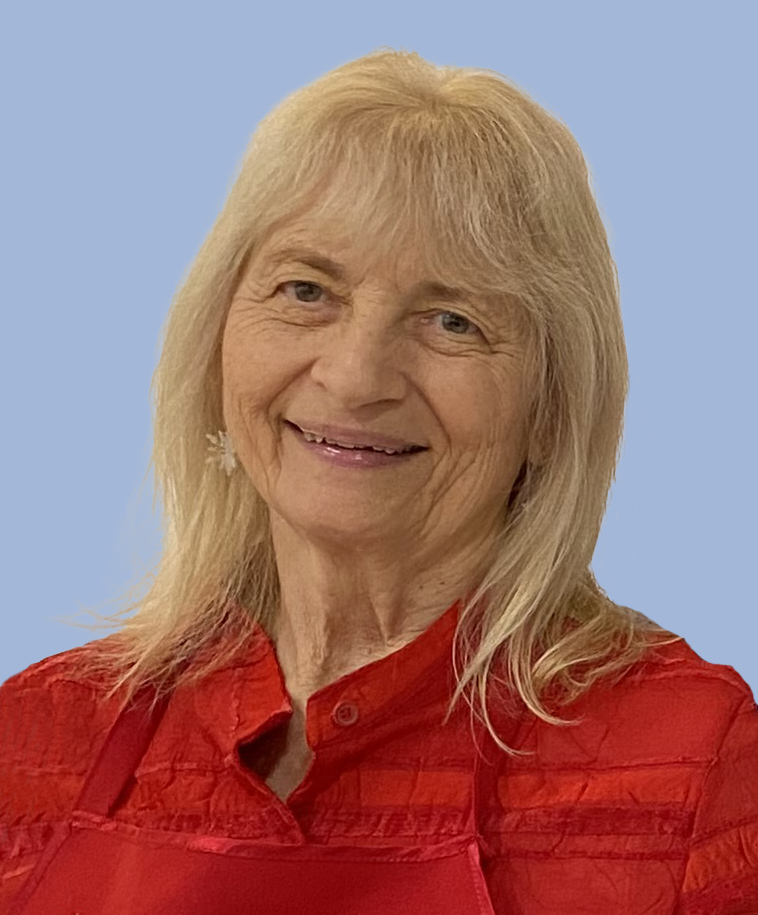
Marilyn Sweeney
Chief Executive Officer
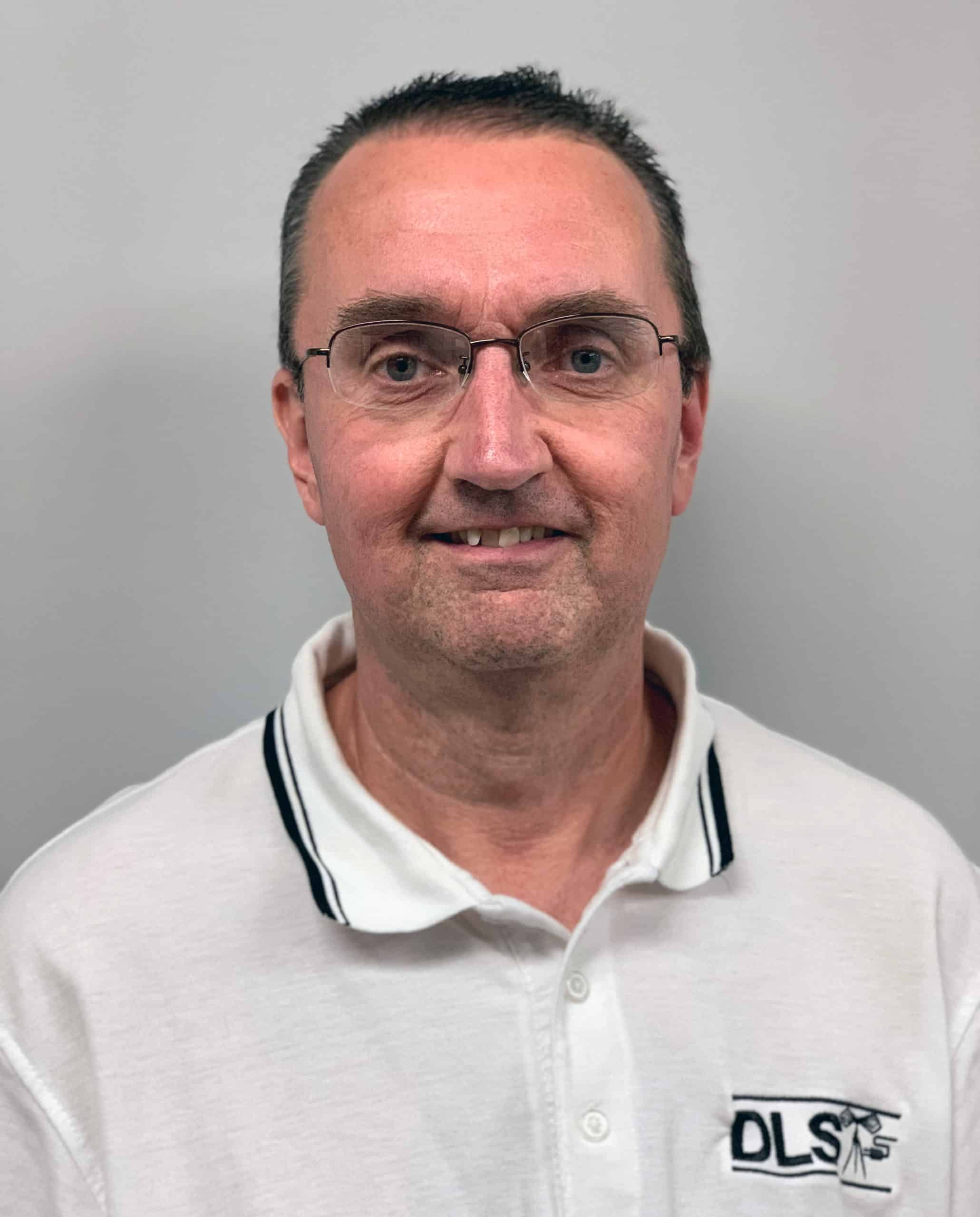
Brian J. Mattson
General Manager

Mark Rozema
Wheeling EMC Lab Manager

Bill Stumpf
Genoa City, WI
Testing Facility Manager
Senior EMC Engineer
Mitch Gaudyn
Technical Facility Manager
Jack Prawica
1970-2021